
131/5, Sri Devaki Complex, Shop No.4 & 5, Ist Floor, New Fairlands 2nd Cross, Nagaramalai Main Road, Alagapuram, Salem – 636 016.
A S A L
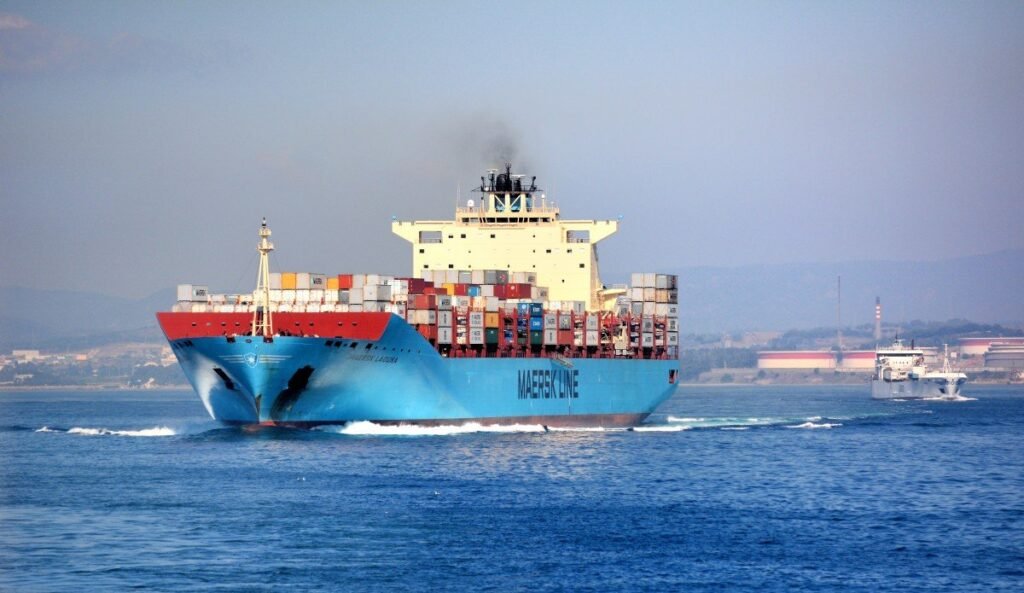
Sea Freight
Sea freight is the process of transporting large quantities of goods across the ocean using cargo ships. It is the backbone of global trade, accounting for approximately 80% of all international commerce due to its massive capacity and cost-effectiveness for long distances.Key Features of Sea Freight:
- Massive Capacity: Ideal for heavy, bulky, or oversized items that cannot be easily transported by air or road.
- Cost-Efficiency: On a per-unit basis, sea freight is significantly cheaper than air freight, especially for long-haul international routes.
- Eco-Friendly: Ships have a much lower carbon footprint per ton of cargo compared to airplanes.
- Containerization: Most cargo is packed into standardized 20-foot or 40-foot containers, making loading and unloading highly efficient.
Main Shipping Methods:
- FCL (Full Container Load): You rent an entire container for your goods. This is faster and more secure for large shipments.
- LCL (Less than Container Load): Multiple shippers share space within a single container. You only pay for the volume you use, making it ideal for smaller loads.
- RORO (Roll-on/Roll-off): Used for vehicles like cars, trucks, and trailers that can be driven directly onto the ship.
- Bulk & Breakbulk: For loose cargo like grain, coal, or large machinery that doesn’t fit in standard containers.
When to Choose Sea Freight:
- Non-Urgent Shipments: When transit times of 20–45 days are acceptable.
- Heavy/Bulky Goods: For industrial machinery, construction materials, or large furniture.
- Budget Constraints: When minimizing transportation costs is the primary goal.
- Hazardous Materials: Certain dangerous goods are restricted on aircraft but can be safely transported by sea.
Important Considerations:
- Transit Times: Sea freight is the slowest mode of transport, heavily influenced by weather and port congestion.
- Incoterms: Standardized trade terms (like FOB, CIF, or EXW) define who is responsible for costs and risks during the journey.
- Documentation: Requires extensive paperwork, including the Bill of Lading (BoL), Commercial Invoice, and Packing List.
F T L
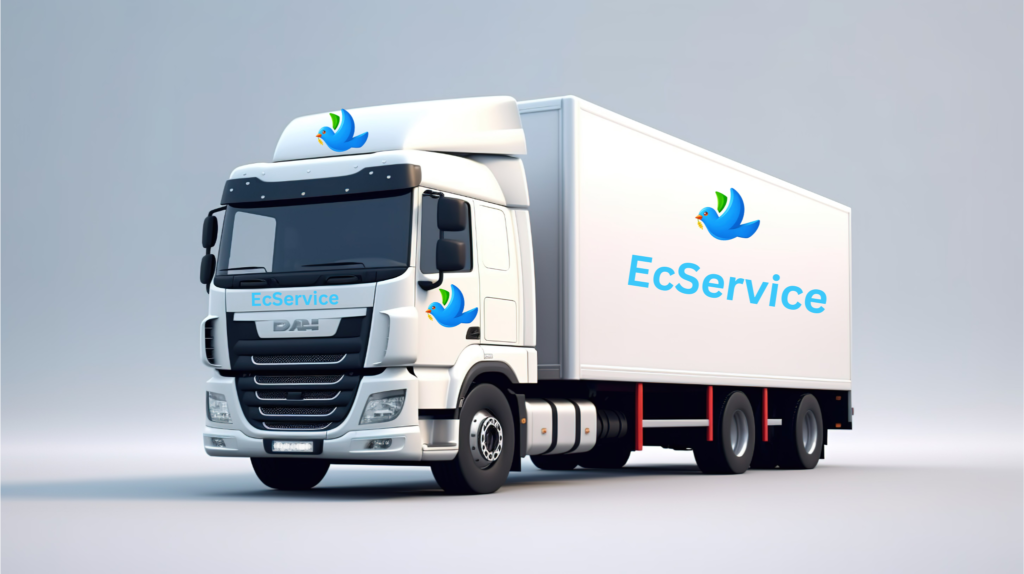
Full Truck Load (FTL)
Full Truckload (FTL) shipping is a transportation mode where an entire trailer is dedicated to a single shipment from one specific customer. This method is typically used for large shipments that fill an entire 48-foot or 53-foot trailer or for high-value/fragile goods that require minimal handling.Key Features of FTL Shipping:
- Dedicated Space: The entire trailer capacity is reserved for your goods, meaning no sharing with other shippers.
- Faster Transit: Since the truck goes directly from the pickup point to the destination without stopping at various hubs, delivery times are significantly shorter than LTL (Less Than Truckload).
- Reduced Risk: With no mid-journey offloading or re-sorting, the chances of cargo damage or loss are greatly minimized.
- Weight & Volume: Ideal for shipments weighing over 20,000 lbs or containing more than 10–12 pallets.
When to Choose FTL:
- High Volume: When you have enough product to fill a trailer.
- Time-Sensitive: When you have a strict delivery deadline that cannot accommodate the delays of multiple stops.
- Fragile Cargo: When the goods are delicate and need to stay untouched until they reach the final destination.
- Cost-Efficiency: On a per-unit basis, FTL can be more cost-effective than LTL if the trailer is near full capacity.
Common Equipment Types:
- Dry Van: Standard enclosed trailers for general palletized goods.
- Reefer: Temperature-controlled trailers for perishable items.
- Flatbed: Open trailers for oversized or oddly shaped industrial equipment.
L T L
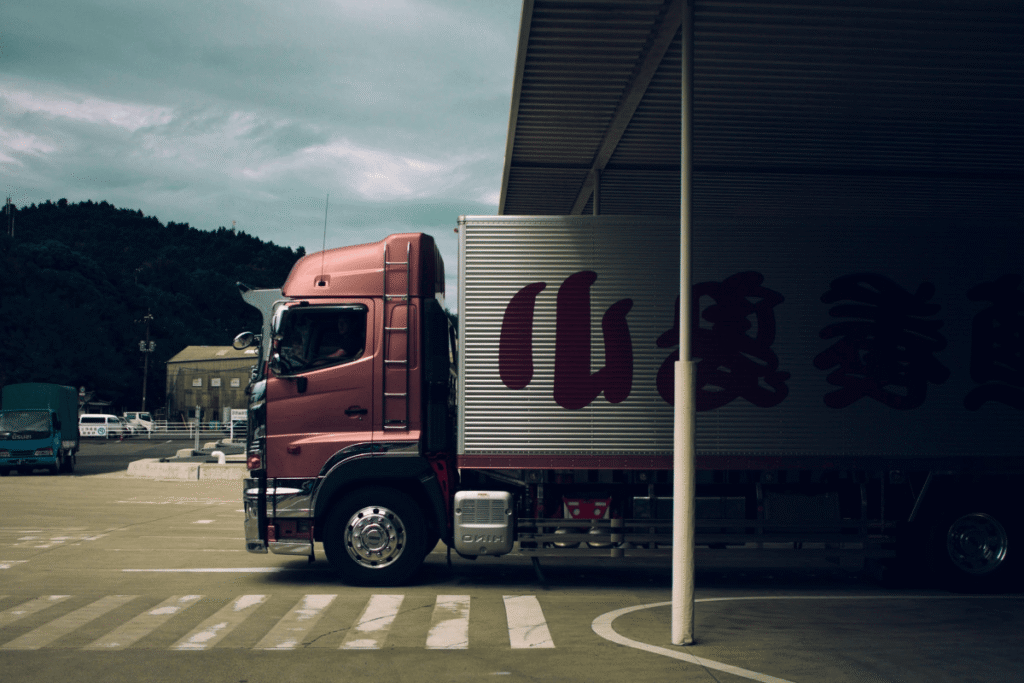
Less Truck Load (LTL)
Less Than Truckload (LTL) shipping is a transportation mode used for shipments that do not require a full 48- or 53-foot trailer. In this model, multiple shippers share space on the same truck, paying only for the portion of the trailer their freight occupies.Key Features of LTL Shipping:
- Cost Savings: Since you only pay for the space you use, it is significantly cheaper than booking an entire truck for smaller loads.
- Palletized Freight: Most LTL shipments are organized on standard pallets (typically 48″ x 48″) to make loading and unloading at various hubs more efficient.
- Hub-and-Spoke Network: Freight usually travels through several distribution centers (hubs) where it is offloaded and reloaded onto different trucks heading toward the final destination.
- Value-Added Services: LTL carriers often offer specialized services like liftgate delivery, inside pickup, and residential delivery.
When to Choose LTL:
- Small Shipments: Ideal for freight weighing between 150 and 15,000 lbs.
- Budget-Conscious: When cost is a higher priority than speed.
- Flexibility: When you have frequent, smaller shipments rather than one large bulk delivery.
- Standard Dimensions: When your goods fit onto standard pallets and can be easily stacked or moved by a forklift.
Important Considerations:
- Transit Times: Delivery usually takes longer than FTL because the truck makes multiple stops and freight is handled at various terminals.
- Freight Class: Shipping rates are determined by “Freight Class,” which is based on density, stowability, handling, and liability.
- Increased Handling: Because goods are moved between trailers at hubs, there is a higher risk of minor damage compared to a dedicated FTL shipment.